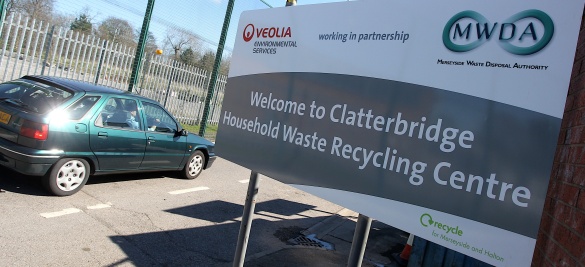
Clatterbridge Tip: Your Complete Guide to Accepted Items & Waste
In our increasingly waste-conscious society, knowing where and how to responsibly dispose of our unwanted items is more important than ever. For residents of the Wirral Peninsula, the Clatterbridge Recycling Centre, affectionately known as Clatterbridge Tip, stands as a vital resource. More than just a "dump," this facility is a sophisticated hub dedicated to diverting waste from landfill, promoting recycling, and supporting a greener community.
This comprehensive guide aims to arm you with all the essential information needed for a smooth and effective visit to Clatterbridge Tip. We'll delve into its location, operational specifics, and, most importantly, provide a detailed breakdown of the vast array of items you can and cannot bring, along with crucial tips to make your recycling efforts count.
Understanding the Clatterbridge Tip: Location, Purpose, and Governance
The Clatterbridge Tip, officially known as Clatterbridge Household Waste Recycling Centre, is conveniently located at Mount Road, Bebington, Wirral CH63 4JZ. Situated on the picturesque Wirral Peninsula, it lies to the south-west of Bebington and enjoys excellent accessibility due to its proximity to the M53 motorway. This strategic location makes it a cornerstone for waste management across the region.
Serving more than just Bebington, the Clatterbridge facility is a key amenity for a broader local government ward. This includes charming areas such as Brimstage, Raby, Raby Mere, Thornton Hough, Storeton, Spital, and even the western fringes of Bromborough and Eastham. Its purpose is clear: to provide residents within this designated local area with a responsible outlet for their recyclable items and general waste.
It's crucial to understand that Clatterbridge Tip is explicitly for local residents only. This policy ensures that the facility's capacity and resources are dedicated to the communities that fund and rely upon it. The centre operates under the stringent control and management of the Merseyside Recycling And Waste Authority (MRWA), guaranteeing adherence to environmental standards and efficient waste processing. This oversight means you can trust that your waste is being handled appropriately and with an eye towards sustainability.
A Comprehensive List of Accepted Items at Clatterbridge Recycling Centre
One of the most frequent questions from visitors to the Clatterbridge Tip is, "What can I actually bring?" The good news is that the centre accepts an incredibly diverse range of materials, far beyond what you might put in your kerbside bins. Here’s an extensive breakdown of accepted items, offering practical insights for your visit:
- Asbestos: This is a highly sensitive material and is accepted strictly by appointment only. Due to significant health risks, it must be double-bagged and handled with extreme caution. Always contact the MRWA or the centre directly to arrange disposal and understand the specific requirements.
- Batteries: Both household batteries (e.g., AA, AAA, button cells) and larger car batteries are accepted. Proper disposal prevents harmful chemicals from entering the environment.
- Books, CDs & DVDs: Give your old media a new lease on life! These items are often collected for reuse or recycling.
- Reusable Bicycles: Don't just dump that old bike! If it's still in a usable condition, it can be passed on to charities or refurbishment schemes. This is a fantastic example of waste prevention.
- Bric-a-brac: Small, miscellaneous household items that are still in good condition can find a new home, reducing clutter and waste.
- Cans: All types of metal cans – food, drink, and aerosol – are readily accepted for metal recycling. Please rinse them if possible.
- Cardboard: Flattened cardboard boxes, packaging, and tubes are essential for paper recycling.
- Carpets: Yes, even old carpets and underlay can be recycled, often into new flooring or insulation products.
- Electrical Items (WEEE): A vast category including everything from hairdryers, toasters, and kettles to DVD players, drills, and computer mice. These Waste Electrical and Electronic Equipment items contain valuable materials and sometimes hazardous components that require specialist recycling.
- Fridges & Freezers: These white goods contain refrigerants that must be safely removed before recycling the metal and plastic components.
- Fluorescent Tubes & Light Bulbs: These often contain small amounts of mercury and should never go into general waste. They require special recycling.
- Garden/Green Waste: All your garden trimmings – grass cuttings, leaves, branches, small plants – are composted into useful soil improvers.
- Glass (Bottles & Jars): Clear, brown, and green glass bottles and jars are recycled into new glass products. Please remove lids.
- Plastic Bottles: Most plastic bottles (e.g., drinks bottles, milk bottles, cleaning product bottles) are accepted. Look for the recycling symbol, typically 1 (PET) or 2 (HDPE).
- Mattresses: Old mattresses are a common bulky waste item and are accepted for specialist recycling, where components like springs and foam are separated.
- Mobile Phones: These small electronic devices contain valuable metals and rare earth elements, making their recycling incredibly important.
- Oil (Engine, Cooking, Filters): Used engine oil, cooking oil, and oil filters are all accepted. They must be kept separate and in sealed containers to prevent contamination.
- Paint: Unwanted paint, both water-based and solvent-based, is accepted. If you only have a small amount, consider drying it out before disposal.
- Paper: Newspapers, magazines, junk mail, catalogues, telephone directories – all types of paper are valuable for recycling.
- Plasterboard (gypsum): Construction waste like plasterboard needs specific recycling due to its gypsum content.
- Rubble: Small quantities of inert construction waste such as bricks, tiles, concrete, and stones are accepted.
- Scrap Metal: From old metal shelves to pots and pans, any ferrous or non-ferrous metal items can be recycled.
- Shoes: If still wearable, shoes can be donated; otherwise, they are accepted for textile recycling.
- Soil: Small amounts of soil from garden projects can be disposed of.
- Televisions (inc. computer monitors): Like other WEEE, TVs and monitors contain complex components and sometimes hazardous materials, requiring specialist handling.
- Tetrapak Cartons: These multi-layered cartons (e.g., juice boxes, long-life milk cartons) are now widely recyclable.
- Textiles: Old clothes, towels, bedding (not duvets or pillows), and rags are all accepted for textile recycling, even if not suitable for reuse.
- Tyres: Car tyres are accepted, often for a small charge, as they require specialist processing.
- White Goods: Large household appliances like washing machines, dishwashers, and microwaves fall into this category and are recycled for their metal and plastic components.
- Wood (untreated timber): Pallets, fence panels (without concrete), and other untreated wood are chipped for reuse.
- Wood (Chipboard, Composite, MDF): Engineered wood products are also accepted for recycling.
- Large Plastics: Items like plastic garden furniture or large plastic toys that don't fit into kerbside bins.
- Printer Cartridges: Inkjet and toner cartridges are accepted for refilling or recycling.
- Non-recyclable household waste: For items that simply cannot be recycled, there is a section for general household waste, serving as a last resort before landfill.
Preparing for Your Visit: Tips for an Efficient Clatterbridge Tip Experience
To ensure your visit to the Clatterbridge Tip is as quick and efficient as possible, a little preparation goes a long way:
- Sort at Home: The golden rule! Separate your waste into categories (e.g., wood, metal, plastics, green waste) before you leave home. This saves significant time at the centre and ensures everything goes into the correct skip.
- Proof of Residency: Remember, the Clatterbridge Recycling Centre is for local residents only. You may be asked to provide proof of address, such as a council tax bill or a utility bill, so have it ready.
- Check Opening Hours: Always verify the current opening hours on the official Merseyside Recycling and Waste Authority website before your trip. Hours can vary seasonally or on bank holidays. Avoid peak times (weekends, lunchtimes) if possible for a quicker visit.
- Vehicle Restrictions: While the core information doesn't specify vehicle restrictions for Clatterbridge, many recycling centres have limitations on vans, trailers, or vehicle heights. It's wise to check the MRWA website for any specific guidance related to your vehicle type.
- Safety First: Wear sturdy shoes and appropriate clothing. Be mindful of moving vehicles and other visitors. If you're struggling with a heavy item, don't hesitate to ask staff for assistance.
- Special Items: Reiterate the need for appointments for asbestos and ensure all oils are in securely sealed containers.
The Environmental Impact: Why Your Visit to Clatterbridge Tip Matters
Every trip you make to the Clatterbridge Tip is a tangible step towards a more sustainable future for Wirral and beyond. By properly sorting and disposing of your waste at the facility, you contribute to several critical environmental benefits:
- Reducing Landfill: Each item recycled is one less item rotting in a landfill, where it can produce harmful methane gas and contaminate soil and water.
- Conserving Natural Resources: Recycling materials like paper, plastic, and metal reduces the need to extract virgin raw materials, preserving forests, mineral deposits, and ecosystems.
- Saving Energy: Manufacturing products from recycled materials almost always requires significantly less energy than making them from scratch. For example, recycling aluminium uses 95% less energy than producing it from bauxite ore.
- Decreasing Pollution: Less manufacturing from raw materials means less air and water pollution, and less greenhouse gas emissions.
- Supporting the Circular Economy: Your actions at Clatterbridge Tip Wirral feed into the circular economy, where resources are kept in use for as long as possible, extracting the maximum value from them whilst in use, then recovering and regenerating products and materials at the end of each service life.
The Clatterbridge Tip is more than just a place to discard unwanted items; it's a vital part of Wirral's environmental infrastructure. By understanding what's accepted, preparing your visit, and appreciating the impact of your actions, you become an active participant in creating a cleaner, greener community.
Conclusion
The Clatterbridge Tip stands as a testament to the commitment of the Wirral community and the Merseyside Recycling And Waste Authority to responsible waste management. From common household items to complex electronics and construction debris, the centre is equipped to handle a vast array of materials, transforming what was once considered waste into valuable resources. By utilizing this essential service correctly and mindfully, every resident plays a crucial role in reducing landfill, conserving resources, and fostering a healthier environment for all. Make your next visit to Clatterbridge Tip a well-informed and impactful one.